Nine months of content strategy, paid ads, funnel work, and AI agents behind a USAF Thunderbird turned bestselling author. The book hit USA Today. The engine behind it does 4.99M views per quarter and feeds inbound for a six-figure keynote business.

Authors, speakers, and personal brands have the credibility. What they do not have is the engine underneath it that turns one launch moment into long-term momentum and keeps printing reach long after the launch ends.
I run strategy, AI, funnels, and full-stack systems for personal brands at scale. Marketing, AI, and engineering all live in the same head, which is why there are no agency layers between you and the actual work that ships.
I work three ways. Pick the model that fits your business.
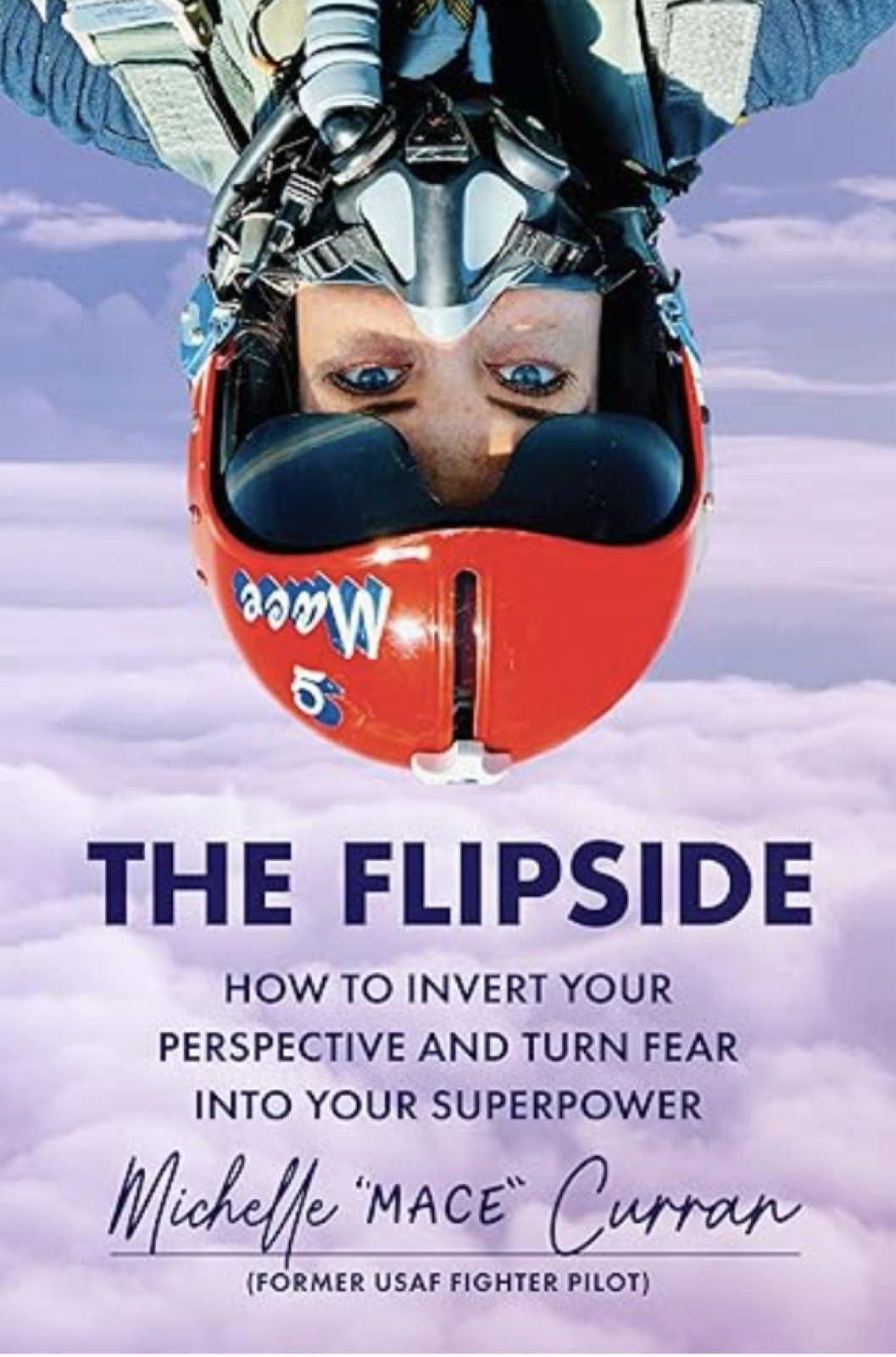
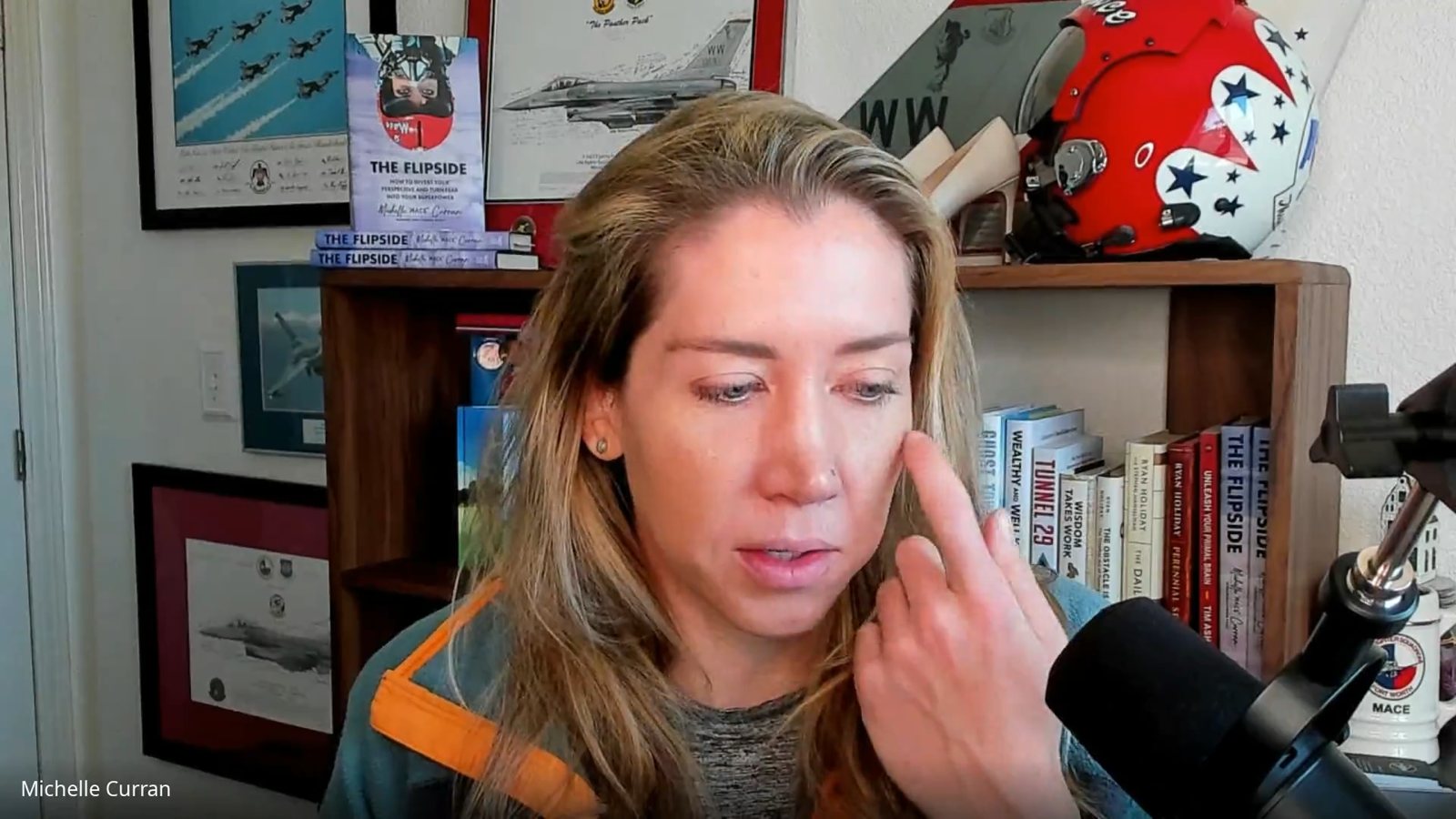
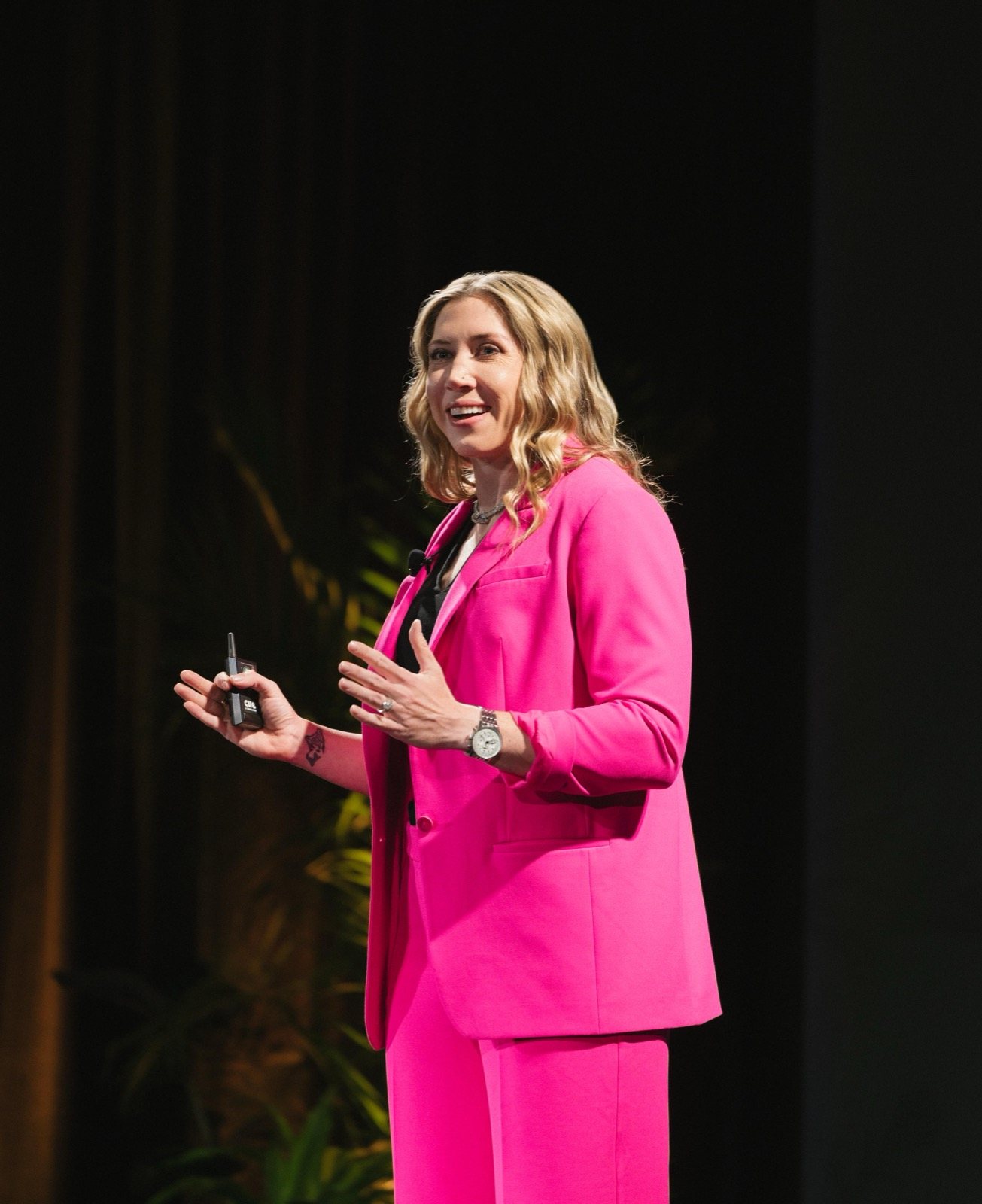
She came on in August. Former USAF Thunderbird Lead Solo, public speaker, and author. Her book was launching mid-September and she wanted to land on a national bestseller list.
The runway was tight. She needed one operator who could own the strategy across organic content, paid ads, landing pages, ad creative, the funnel that captures leads, and the keynote-tied media week before launch day.
I took the whole engagement on directly.
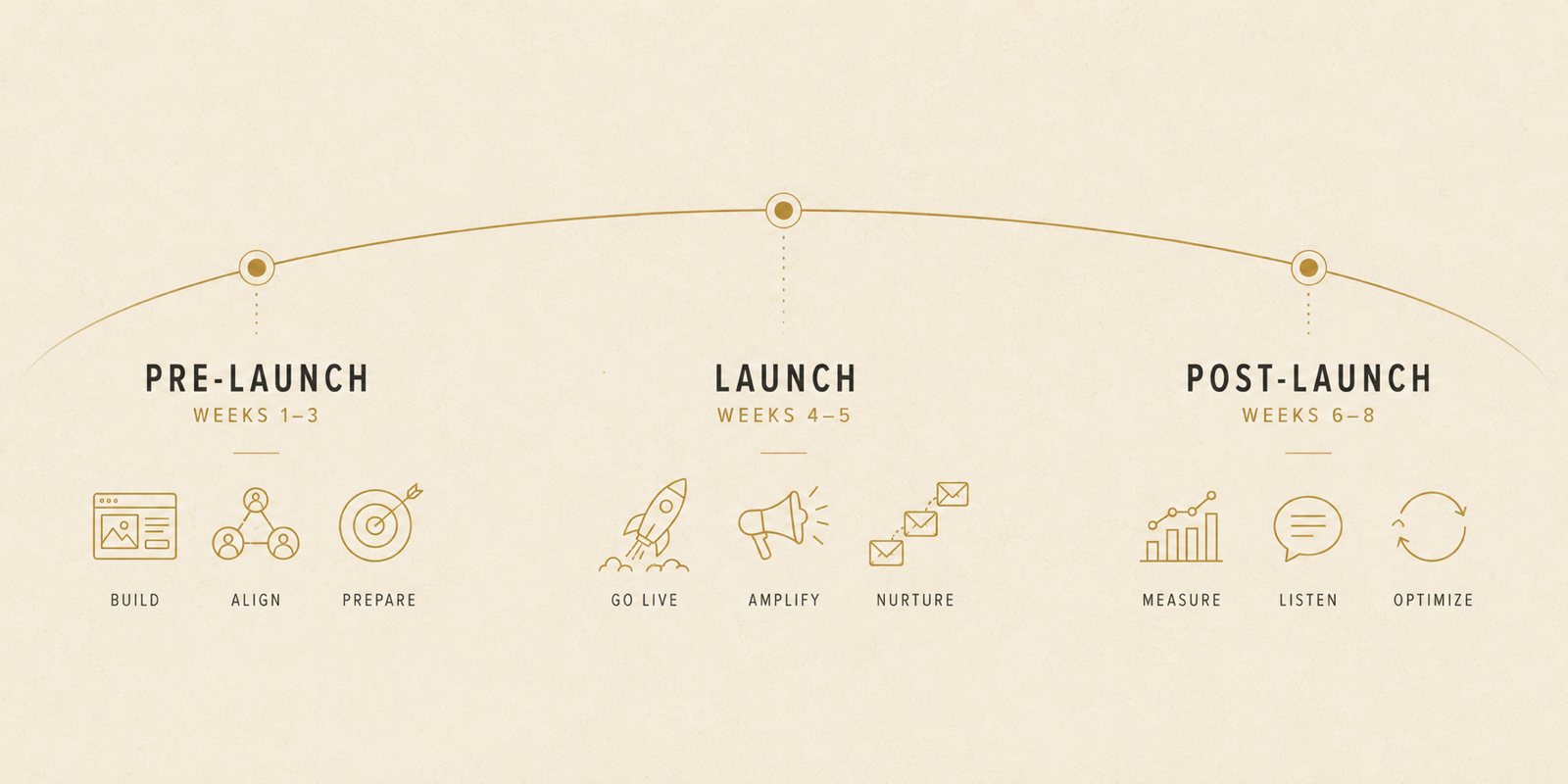
The launch strategy ran in three phases over eight weeks. Pre-launch built the audience and primed pre-orders. Launch week went loud across ads, organic, and keynote-tied media. Post-launch turned the moment into compound momentum.
Pre-launch (weeks 1 to 3). I built the landing pages and the pre-order funnel, set up Kit email sequences, designed ad creative for the Facebook Ads campaign, and started the organic content engine. I made the early launch content myself before the team came in.
Launch (weeks 4 to 5). Pre-orders went live with the full ad campaign behind them. Keynote-tied media week ran in parallel. Email nurture pushed daily.
Post-launch (weeks 6 to 8). The content engine kept pulling reach. New buyers were nurtured. The book hit the USA Today list.
5,000+ pre-sale copies sold through the launch campaign. National bestseller status confirmed.
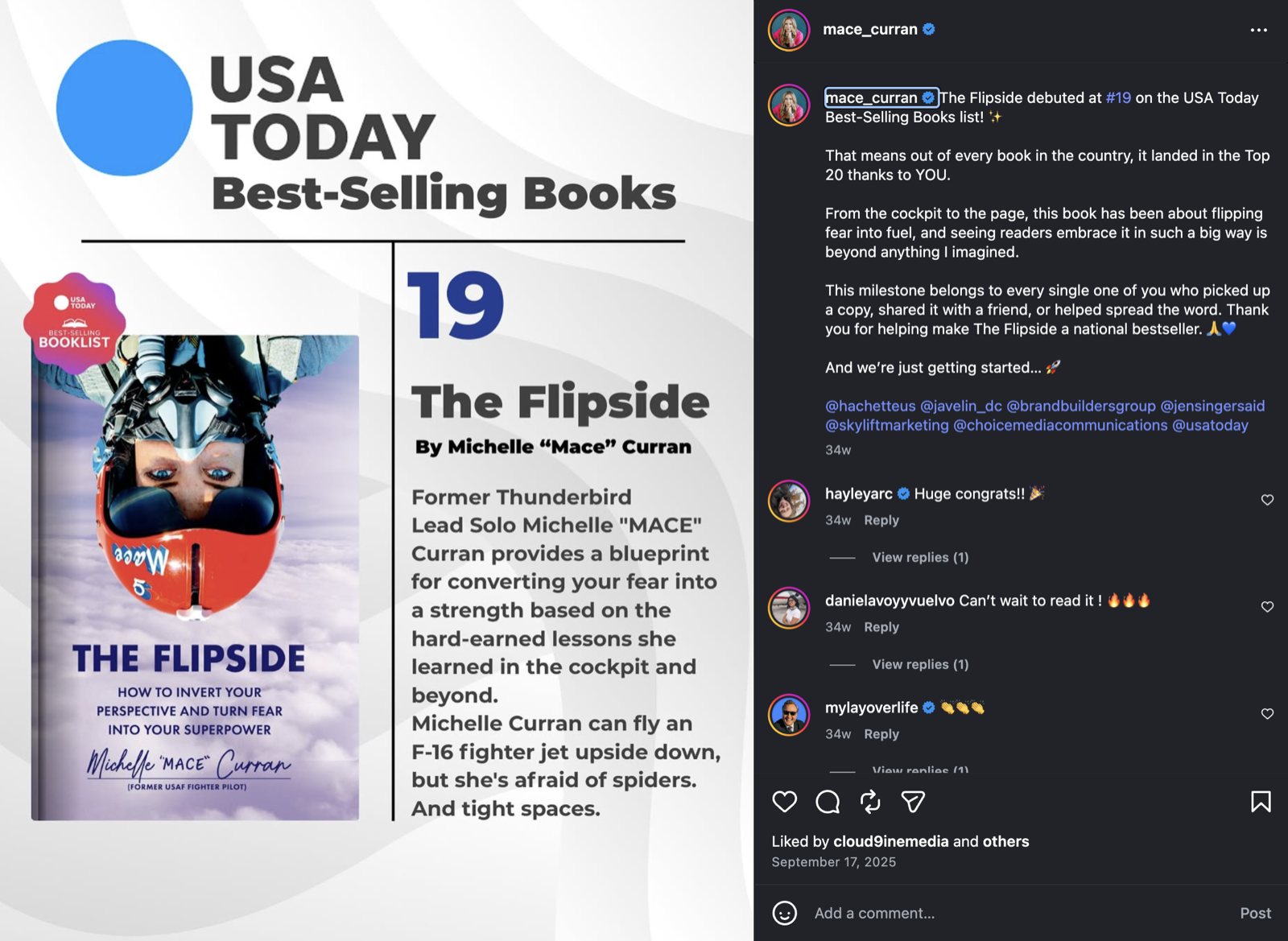
The book hit the USA Today list on its debut week. Five thousand-plus pre-sale copies sold through the launch campaign, with the bulk of conversion coming from a mix of pre-launch ads, organic story sequences, and post-launch retargeting.
Bestseller status is the credential that fuels the rest of the business, from keynote bookings to media appearances to the next book deal.
The launch was the centerpiece. The long-term value is the engine I built around it that kept performing once the launch sugar wore off.
The 90 days from February to May ran 4.99M views with zero ad spend behind the organic content. Reach doubled. Non-followers drove 68.9% of interactions, which means the content kept acquiring new audiences month after month.
This is the actual benefit of running Content Engine end to end with one operator. The principal stops thinking about everything underneath the work.
She does not think about content strategy, manage Kit sequences, brief designers, run Facebook Ads, chase the team, or debug the website when it breaks. She does keynotes, shows up on camera, and signs books. The keynote business does 10 to 15 high-ticket bookings a year at $20K to $30K each. The social presence is the inbound layer that keeps the pipeline growing.
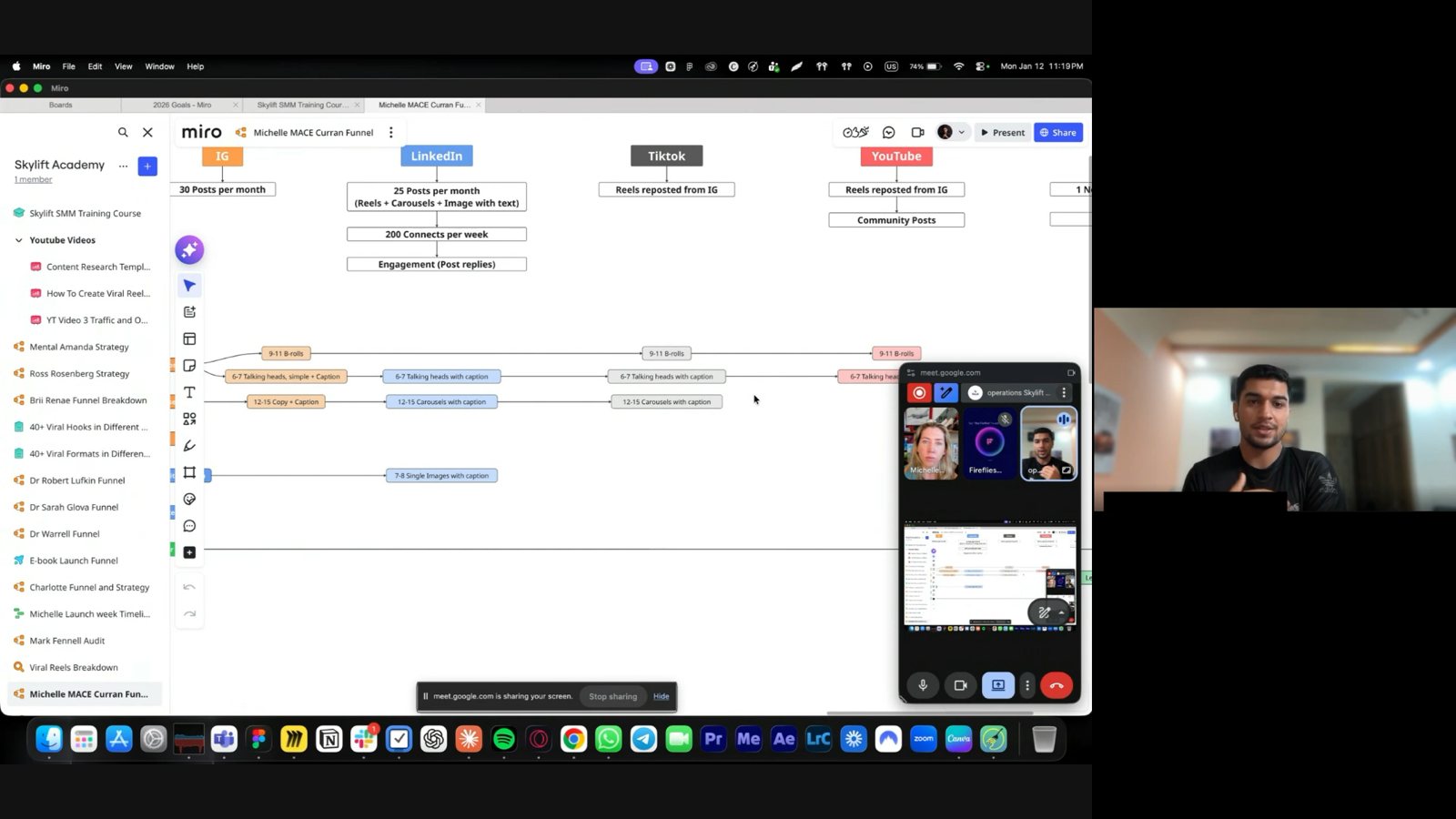
Every strategy decision runs through one call. The engine evolves every week. Below is what a live working session looks like.
Strategy gets decided on screen-share. New funnels, content themes, ad campaigns, and product launches all start as a Miro board between two people. No agency middlemen. No misalignment between strategy and the work that ships.
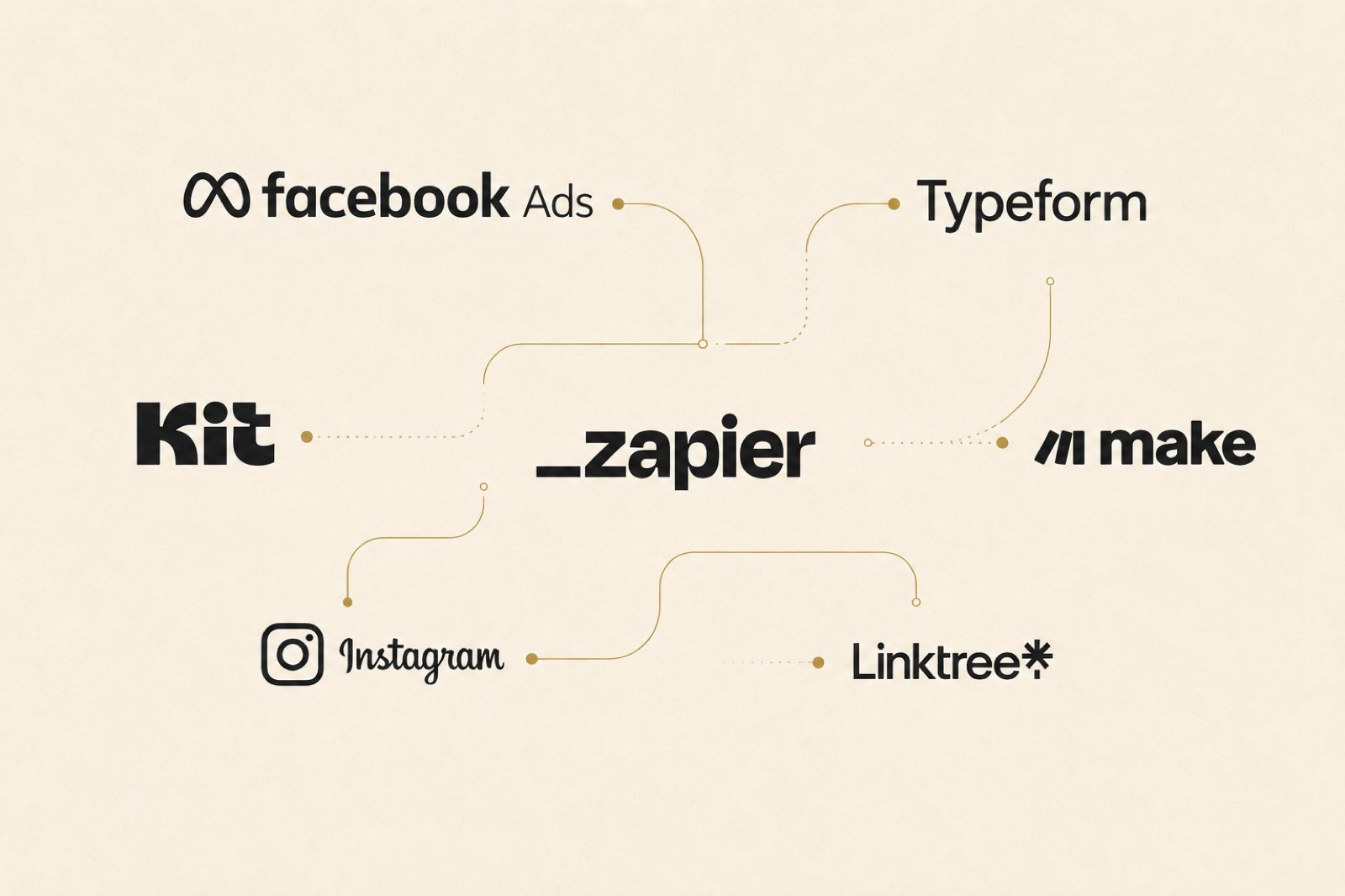
Every layer of this engagement runs through tools I configured, integrated, and maintain. The whole stack is connected so the funnel, ads, content, and email all feed each other automatically.
Facebook Ads runs the paid layer. Typeform captures leads from the Fear Response quiz. Kit handles the segmented email sequences for each result type. Zapier and Make connect everything else. Instagram is the audience layer. Linktree routes profile traffic. All of it talks to each other so nothing slips between tools.
This case study is what Content Engine looks like at the upper tier. The same structure scales down for smaller brands or scales up for larger campaigns.
Base retainer, scoped to your needs. Add-ons cover one-time AI agent builds, funnel construction, and full ad campaign management when you launch.
Send me a message with what you have, what you need, and where you want it to go. I take a few of these at a time and I am selective about who I bring on.